Lorem ipsum dolor sit amet, consectetur adipiscing elit. Aliquam dapibus, quam eu laoreet eleifend, elit urna mattis nisl, sed maximus ex nulla vel risus. Maecenas vitae tellus libero. Aenean iaculis, ipsum in finibus efficitur, nibh arcu ultricies nulla, eget malesuada nulla mi a justo. Curabitur urna ex, elementum id odio vel, efficitur scelerisque tortor. Suspendisse nec dolor sed ipsum congue congue non sit amet dolor. Nam lobortis urna erat. Maecenas eget quam sit amet turpis scelerisque tristique vel vel mi. Praesent egestas nibh eget tortor varius auctor. Aliquam accumsan erat at tempus vulputate. Duis faucibus ut neque vitae sagittis. Suspendisse sodales feugiat sem sed lobortis. Mauris ut commodo mi. Quisque varius magna sit amet
Curabitur ultricies dictum dapibus. Curabitur tincidunt dictum ligula, quis luctus dolor iaculis in. Sed pellentesque, dolor eu bibendum semper, dolor orci fringilla quam, laoreet dictum felis libero a enim. Vivamus quam leo, mattis vitae molestie at, fringilla vitae ligula. Sed cursus varius felis in efficitur. Proin vitae mi volutpat metus tempus finibus ac quis erat. Nunc sit amet pharetra orci. Proin scelerisque est et facilisis aliquam. Vestibulum iaculis ante ac imperdiet faucibus. Donec eu sem gravida, faucibus quam ac, placerat
Donec sit amet faucibus odio, at finibus sapien. Nulla pretium tristique turpis et accumsan. Vivamus eu laoreet ligula. Ut at iaculis lectus. Integer in sodales odio. Nunc molestie fringilla ex, nec aliquam libero consectetur ac. Pellentesque euismod pellentesque laoreet. Pellentesque
Curabitur ultricies dictum dapibus. Curabitur tincidunt dictum ligula, quis luctus dolor iaculis in. dolor iaculis in. Curabitur tincidunt Curabitur tincidunt
Author: Jiaur Rahman
-

Time Calculator
-

Software like Aldus PageMaker
Lorem Ipsum is simply dummy text of the printing and typesetting industry. Lorem Ipsum has been the industry’s standard dummy text ever since the 1500s, when an unknown printer took a galley of type and scrambled it to make a type specimen book. It has survived not only five centuries, but also the leap into electronic typesetting, remaining essentially unchanged. It was popularised in the 1960s with the release of Letraset sheets containing Lorem Ipsum passages, and more recently with desktop publishing software like Aldus PageMaker including versions of Lorem Ipsum.
-
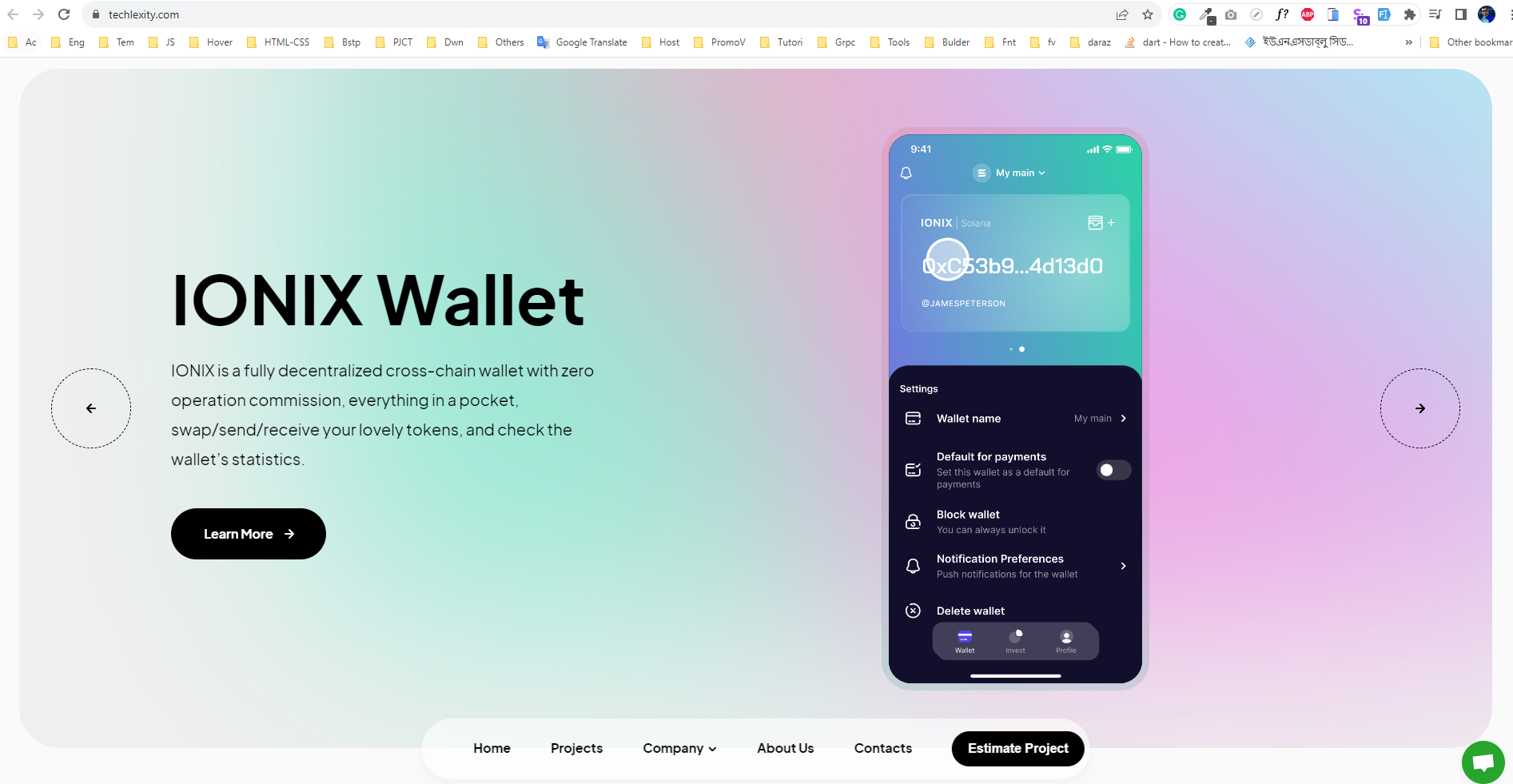
Survived not only five centuries
Lorem Ipsum is simply dummy text of the printing and typesetting industry. Lorem Ipsum has been the industry’s standard dummy text ever since the 1500s, when an unknown printer took a galley of type and scrambled it to make a type specimen book. It has survived not only five centuries, but also the leap into electronic typesetting, remaining essentially unchanged. It was popularised in the 1960s with the release of Letraset sheets containing Lorem Ipsum passages, and more recently with desktop publishing software like Aldus PageMaker including versions of Lorem Ipsum.
-

Lorem Ipsum is simply dummy
Lorem Ipsum is simply dummy text of the printing and typesetting industry. Lorem Ipsum has been the industry’s standard dummy text ever since the 1500s, when an unknown printer took a galley of type and scrambled it to make a type specimen book. It has survived not only five centuries, but also the leap into electronic typesetting, remaining essentially unchanged. It was popularised in the 1960s with the release of Letraset sheets containing Lorem Ipsum passages, and more recently with desktop publishing software like Aldus PageMaker including versions of Lorem Ipsum.
-
Top 10 AI Tools Every Startup Should Use in 2026
Boost productivity, reduce costs, and accelerate growth with modern AI technologies.
Running a startup in 2026 is more competitive than ever. Teams are smaller, budgets are tighter, and customers expect faster responses and higher-quality digital experiences. This is where AI becomes a game changer.
From automating tasks to improving customer service, AI tools can save startups hundreds of hours and thousands of dollars every month — while improving overall performance.
1. ChatGPT
ChatGPT 5.1 remains the most powerful AI assistant in 2026. Startups use it daily for:
- AI Content, Ideas & Automation
- Creating marketing content & ad copies
- Drafting proposals, emails & documents
- Building chatbots & automation workflows
- Coding assistance and debugging
- Best for Marketing, content creation, coding, product development
- Reduce 80% time in writing, research & planning
2. Notion AI
Notion AI turns your workspace into a smart co-worker.
- Team Productivity & Knowledge Management
- Auto-generates documents
- Summarizes meeting notes
- Finds information instantly
- Helps create project plans
- Best for Startups managing multiple projects
3. Jasper AI
Jasper AI is built for marketing teams that need fast, consistent brand-aligned content.
- Branding & Marketing Copy
- AI ad copy
- Blog writing
- Email funnels
- Brand voice training
- It’s helps Marketing, growth teams
- Delivers conversion-friendly content quickly.
4. Midjourney 6
In 2026, Midjourney 6 offers hyper-realistic, brand-quality visuals.
- AI Graphics & Visuals
- Social media graphics
- Website images
- Product mockups
- Ad creative concepts
- Best for Creative teams
- Zero design skills required — perfect for lean startups.
5. ElevenLabs AI
ElevenLabs gives natural-sounding AI voiceovers for:
- Voice & Content Audio
- Explainer videos
- Training content
- Product demos
- Ads & reels
- Best for Startups needing multimedia content
6. Zapier AI
Zapier AI connects your apps and automates workflows:
- Automation Engine
- Lead capture to CRM
- Email triggers
- Billing automation
- Employee onboarding tasks
- Best for Any startup needing automation
- Reduces manual tasks by up to 70%.
7. Canva AI
Canva AI now includes:
- Design for Non-Designers
- AI video generation
- AI presentations
- AI design assistant
- Social media content packs
- Best for Marketing & brand teams
- It’s fast, affordable, creative production for startups.
8. Pleo AI
Startups love Pleo for:
- Smart Expense & Finance Management
- AI expense categorization
- Budget recommendations
- Team spending control
- Financial forecasting
- Best for Finance managers, founders
- It saves hours of accounting work.
9. Loom AI
Loom now uses AI to:
- Asynchronous Communication
- Auto-edit videos
- Translate and transcribe
- Generate summaries
- Personalize outreach
- Best for Remote teams, client communication
- It reduces meeting time by 50%.
10. HubSpot AI
HubSpot’s AI system helps startups grow faster by:
- CRM, Sales & Marketing Automation
- Scoring leads
- Creating email sequences
- Predicting customer behavior
- Automating sales tasks
- Best for Sales, marketing, customer success
- One place to manage the entire customer lifecycle.
Whether you’re building a SaaS product, running an ecommerce store, or offering services, the right AI tools can help you:
✔ Save time
✔ Reduce costs
✔ Improve customer experience
✔ Grow faster with fewer resourcesIf you want help integrating these AI tools into your workflow or building AI-powered systems for your business, API Solutions can help you develop custom AI setups, automation, and digital ecosystems.
-

Flutter App Development Guide
Flutter app development is growing rapidly and now powers over 45% of new cross-platform apps as of 2025. Backed by Google, Flutter continues to evolve and now offers smarter, more efficient builds across both Android and iOS. With the latest stable release, Flutter 3.38 has brought improved web hot reload and polished desktop refinements, enough to make it one of the fastest build-and-test cycles in the industry.
It doesn’t even stop here! The real excitement is growing around the Flutter 4.0 release. Expect it to come with Impeller 2.0 for smoother rendering, Dart 4.x for faster compile times, and many more exciting features like this.
Today’s Flutter development guide for 2025 will be a roadmap for developers, startups, and tech enthusiasts. You’ll get to explore practical techniques and real industry insights around this framework. Read on!
Key Takeaways
- Flutter app development is cost-effective due to a shorter development cycle and tools availability.
- Flutter is suitable for building apps for multiple industries, including fintech, healthcare, enterprise, and so on.
- With strong community support and frequent Google updates, Flutter ensures stability.
- Advanced state management ensures efficient UI updates, while Pub.dev packages allow developers to quickly redefine features.
What Is Flutter and Why It Dominates App Development in 2025?
Flutter offers an all-in-one development toolkit with a single codebase to build apps for any preferred platforms. It is built on Google’s robust engineering standard and uses Dart’s reactive model. You will get high-speed and native-like performance on every platform.
A Brief History of Flutter
Flutter started its journey with a Google experiment called Sky in 2015. The goal was to create extremely fast Android apps. Following this, Google has released the first official version, Flutter 1.0. It came with a widget-based design system. Over time, Flutter released new versions, capable of building apps for both Android and iOS. Each of the following versions added more features and improved performance.
- Flutter 2.0: Beyond just mobile, the version was released to build web apps as well. This includes Chrome, Firefox, Safari, and Edge, with more stable performance and reduced crashes.
- Flutter 3.0: This version launched in May 2022 and became fully multi-platform beyond mobile and web. It targeted macOS, Linux, and Windows with improved graphics.
- Flutter 3.16+: Released on November 15, 2023, Flutter came as a more efficient and fast-loading framework. It offers faster rendering with WebAssembly compilation.
In short, over the past few years, the consistent evolution of Flutter has set it as a leading open-source technology. According to recent surveys, Flutter has become one of the most widely used cross-platform frameworks (around 46% of framework-using developers report using it), and over 90% of surveyed Flutter developers are satisfied with the visual quality and performance of their apps.How Flutter App Development Works
Flutter utilizes the Reactive architecture, where the app UI automatically changes when your app’s data changes. Every element on the screen is a widget, which makes building and customizing the UI easier.
Flutter Architecture Explained
Flutter is a specialized 3-layer architecture.
- The first one is the Framework layer, which contains all the widgets. It handles layout and UI logic. As needed, the widget gets updated when data changes.
- Second is the Engine layer which connects to Flutter’s graphics library. It manages the rendering pixels where UI elements will be placed in the frame.
- The final layer is the Embedder layer. It connects the engine to the platform where the app will run. Above all these layers, Dart executes the app’s code and manages UI updates.
Setting Up the Flutter Development Environment
To start using Flutter, you must install the Flutter software (SDK), then set up tools for each platform and configure the code editor. Choose between Android Studio and VS Code. Finally, build apps, debug code, and test your app on virtual devices.
Flutter Setup on Windows / macOS / Linux
First, you have to install Flutter on your operating system. Download the Flutter SDK on Windows. Then add it to your system path to make the Flutter commands work. Developers run the Flutter Doctor. It is essential to check that the installation is in good health.
To install Flutter on Windows, you must install Visual Studio tools. On macOS, you need Xcode to build and run iOS apps. Additionally, on Linux, install compilers and development libraries such as GCC, Clang, and GTK.
Common Setup Errors and Fixes
Here are the most common errors that developers often face:
- Flutter fails to locate the Android development tools. It mostly happens if you don’t install the SDK or if the path isn’t set.
- Developers often find that the cmdline-tools component is missing. Install Android command-line tools from Android Studio’s SDK Manager.
- There is also a common error named “Unable to locate Gradle script” in Flutter. It suggests that something is preventing Gradle from running properly on your machine. Check if there are unwanted programs or antivirus software on your machine.
- While installing on Windows, you may face a common error like “CMake is not installed”. To fix it, open Visual Studio Installer, edit your installation, run the flutter doctor command, and ensure all the components are installed.
- Another frequently reported issue is the error “Flutter: Unable to find bundled Java version.” Try reinstalling Android Studio or downloading a fresh JBR and pointing Gradle to it.
Flutter App Lifecycle & Build Process
Flutter’s development process lies within its structured process. It equips hot reload through which you can change the UI and see results almost instantly. Also, if needed, Flutter architecture only rebuilds the parts of the UI, keeping the performance as it is. Developers utilize some tools to track data changes and update only the necessary widgets.
Flutter App Development Process
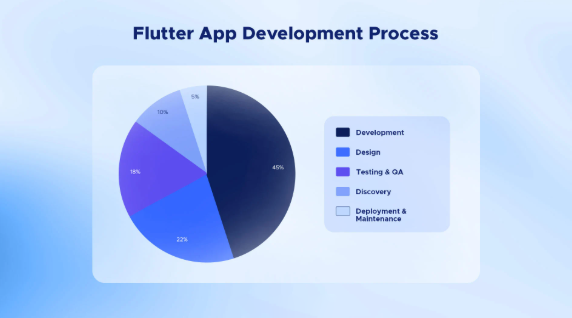
Flutter performance optimization becomes easier when you take advantage of the advanced design patterns. Here we have listed some go-to Flutter development techniques you can consider.
State Management Approaches
With the proper Flutter state manager approaches, you can better handle data and UI updates. Choose based on your app size and complexity.
- Flutter app development is cost-effective due to a shorter development cycle and tools availability.
-

Australia batter provides selection
Australia are prepared to continue to make tough calls at selection as they eye a series-clinching victory in the third Ashes Test in Adelaide.
The Aussies opened up a 2-0 series scoreline with an emphatic eight-wicket victory over England in Brisbane on Sunday and now have more than a week off before the crucial third ICC World Test Championship contest at Adelaide Oval from December 17.
Australia skipper Pat Cummins looks certain to return to the XI for the match, while the hosts will be monitoring the fitness of veteran opener Usman Khawaja and key pacer Josh Hazlewood in the lead-up to the red-ball encounter.
-

Blog Title Here
There are many variations of passages of Lorem Ipsum available, but the majority have suffered alteration in some form, by injected humour, or randomised words which don’t look even slightly believable. If you are going to use a passage of Lorem Ipsum, you need to be sure there isn’t anything embarrassing hidden in the middle of text. All the Lorem Ipsum generators on the Internet tend to repeat predefined chunks as necessary, making this the first true generator on the Internet. It uses a dictionary of over 200 Latin words, combined with a handful of model sentence structures, to generate Lorem Ipsum which looks reasonable. The generated Lorem Ipsum is therefore always free from repetition, injected humour, or non-characteristic words etc.

This is Jiaur Rahman
-
The Web Framework That Revolutionized Rapid.
From monolithic giants to nimble startups, Django’s “batteries-included” philosophy has shaped modern web development. Discover why this Python framework remains a top choice for developers 15+ years after its creation.
In the world of web development frameworks, few have achieved the enduring influence and widespread adoption of Django. Born in a newsroom in 2005 and named after jazz guitarist Django Reinhardt, this Python-based framework promised (and delivered) “the web framework for perfectionists with deadlines.” Today, it powers some of the internet’s most visited sites while remaining accessible to beginners—a rare combination in the tech world.
The “Batteries-Included” Philosophy
Unlike minimalist frameworks that require assembling components, Django follows a “batteries-included” approach. When you start a Django project, you get:
- An ORM (Object-Relational Mapper) for database interactions
- An automatic admin interface
- Built-in authentication system
- URL routing, templating engine, and form handling
- Security features (CSRF protection, SQL injection prevention, XSS safeguards) enabled by default
This comprehensive approach means developers can focus on building unique features rather than reinventing authentication or admin panels for every project.
Why Django Changed the Game
1. Rapid Development
Django’s scaffolding tools and conventions allow developers to build functional prototypes in hours, not days. The famous “Django admin”—an automatically generated backoffice interface—often provides 80% of the administrative functionality needed for content-heavy sites right out of the box.
2. Scalability That Surprised Everyone
Initially perceived as suitable only for small-to-medium projects, Django proved its scalability by powering:
- Instagram (handling billions of interactions)
- Pinterest (millions of image pins)
- Spotify (music streaming at scale)
- The Washington Post (high-traffic news publishing)
- NASA (scientific data applications)
3. Security by Default
In an era of increasing cyber threats, Django’s security-first approach has been revolutionary. Features like:
- Automatic escaping of HTML/JavaScript in templates
- Protection against SQL injection through ORM
- Clickjacking protection
- Secure password hashing
…are enabled by default, making even novice developers’ applications more secure.
4. Versatility Across Industries
From e-commerce platforms (like Saleor) to content management systems (Wagtail), scientific applications, GIS systems, and social networks, Django’s flexibility has made it a cross-industry favorite.
The Django Impact on Development Culture
The DRY Principle
Django popularized “Don’t Repeat Yourself” (DRY) in web development. Its reusable apps concept allows developers to package functionality (like user authentication, blogging engines, or comment systems) that can be plugged into multiple projects.
MVC Made Accessible

Django’s Model-Template-View (MTV) architecture (a variation of MVC) provides a clean separation of concerns that has become a teaching standard in web development education.
Community and Documentation
Django boasts one of the most welcoming, well-documented open-source communities. The official documentation is often cited as some of the best in the industry, with tutorials that guide developers from “Hello World” to complex deployments.
Django in the Modern Development Landscape
The Full-Stack Framework Debate
In an era moving toward microservices and JavaScript-heavy frontends, some questioned Django’s monolithic nature. However, Django has adapted beautifully:
- Django REST Framework became the gold standard for building APIs
- Integration with React/Vue/Angular is straightforward
- Channels brought WebSocket support for real-time applications
- Performance improvements continue with each release
Python’s Rise Fueled Django’s Growth
As Python became the language of choice for data science, machine learning, and education, Django benefited from the expanded talent pool. Developers who learned Python for data analysis could easily transition to web development with Django.
Real-World Impact: Bangladesh’s Tech Scene
In Bangladesh, Django has empowered startups and enterprises alike:
- bKash and Nagad use Django for backend services
- Chaldal, the grocery delivery platform, built its infrastructure on Django
- API Solution Ltd. (as mentioned in our previous post) uses Django for robust F-commerce solutions
- Numerous ed-tech, fin-tech, and e-commerce startups have accelerated their development cycles using Django
The Future of Django
With Django 5.0 introducing database-computed default values and more flexible form fields, and the community continually innovating, Django shows no signs of slowing down. The framework maintains relevance by:
- Embitting async support gradually
- Improving developer experience with better debugging tools
- Maintaining backward compatibility while introducing modern features
- Expanding the ecosystem with packages for GraphQL, real-time features, and serverless deployments
Why Developers Still Love Django After 15+ Years
- Productivity: Build more with less code
- Community: Get help within minutes, not days
- Job Market: Django developers remain in high demand globally
- Future-Proof: Proven track record of adaptation and longevity
- Pragmatism: Balances convention with flexibility where it matters
Getting Started
If you’re new to Django, the official tutorial (https://docs.djangoproject.com) remains one of the best ways to learn. Within a weekend, you can build a functional blog, poll application, or even a simple e-commerce site.
Conclusion
Django represents more than just a web framework—it’s a philosophy that values pragmatism, security, and developer happiness. By lowering barriers to building secure, scalable web applications, Django has empowered a generation of developers and entrepreneurs to bring their ideas to life. In an industry obsessed with the “next shiny thing,” Django’s continued relevance proves that thoughtful design, strong principles, and a vibrant community can create tools that endure and evolve.What has been your experience with Django? Share your thoughts or favorite Django packages in the comments below!
-
Streamlining F-Commerce in Bangladesh
Discover how API Solution Ltd. is revolutionizing Facebook commerce with a powerful, scalable platform that combines Django’s robustness with Next.js’s speed, tailored for the unique needs of Bangladeshi entrepreneurs.
In the fast-paced world of Facebook commerce, having a reliable, scalable, and user-friendly platform can mean the difference between a hobby and a thriving business. Enter API Solution Ltd.—a Dhaka-based tech company that has built a tailored F-commerce solution designed to empower sellers, streamline operations, and enhance customer experiences across Bangladesh.
At the heart of their platform lies a modern tech stack: Python Django for the backend and Next.js for the frontend. Here’s how this combination is driving results for F-commerce entrepreneurs.
Why Django & Next.js?
Django provides a secure, scalable, and rapid development environment, perfect for handling complex e-commerce logic, inventory management, and user authentication. Next.js delivers a lightning-fast, SEO-friendly frontend with seamless navigation—essential for keeping today’s mobile-first shoppers engaged.
Together, they offer a full-stack solution that is both powerful and adaptable to the unique challenges of the Bangladeshi market.
Key Features of the Platform
1. Seamless Facebook Integration
The platform connects directly with Facebook Pages and Shops, allowing sellers to sync products, automate posts, and manage orders from a single dashboard. Real-time notifications keep sellers updated on new inquiries and purchases from Facebook.
2. Unified Inventory & Order Management
Sellers can manage inventory across multiple Facebook pages and groups from one central interface. The system tracks stock levels, processes orders, and even generates invoices automatically—reducing manual errors and saving time.
3. Integrated Payment Gateways
Understanding local preferences, the platform supports popular Bangladeshi payment methods like bKash, Nagad, and Rocket, alongside cards and cash-on-delivery. All transactions are encrypted and secure, addressing a major trust barrier in F-commerce.
4. AI-Powered Customer Insights
Using Django’s data-handling capabilities, the platform analyzes customer behavior, best-selling products, and peak engagement times. Sellers receive actionable insights to optimize their posting schedules and promotions.
5. Responsive Seller Dashboard & Storefront
Built with Next.js, the dashboard is fast, intuitive, and works beautifully on any device. Sellers can customize their storefronts, track performance metrics, and communicate with customers via integrated live chat.
6. Automated Marketing Tools
Schedule posts, run flash sale announcements, and use template-based promotional content to boost visibility—all within the platform.
Built for Bangladesh: Addressing Local Challenges
- Low-Bandwidth Optimization: The Next.js frontend is optimized for slower connections, ensuring accessibility even in areas with limited internet.
- Bengali Language Support: Fully localized UI and customer communications.
- Logistics API Integration: Partnerships with local delivery services enable real-time tracking and shipping cost calculations.
Success Story: “Bohubrihi Boutique”
A Dhaka-based fashion retailer using API Solution Ltd.’s platform reported a 40% increase in orders within three months. The owner, Tahmina Rahman, says:
“Before, managing orders from Facebook comments and Messenger was chaotic. Now, everything is organized in one place—from payments to delivery tracking. It’s like having a full-time assistant!”
The Technology Behind the Scenes
- Backend (Django): REST APIs, PostgreSQL database, Redis for caching, Celery for background tasks (e.g., sending order confirmations).
- Frontend (Next.js): Server-side rendering for fast load times, responsive design with Tailwind CSS, and seamless integration with Django via API calls.
- Security: Django’s built-in protections against common vulnerabilities (CSRF, XSS), along with JWT-based authentication for safe user sessions.
Future Roadmap
API Solution Ltd. is continuously innovating, with plans to introduce:
- Facebook Live Sales Integration
- WhatsApp Business API connectivity
- Advanced analytics with predictive stock alerts
Why Choose This Solution?
For F-commerce sellers in Bangladesh, this platform isn’t just another tool—it’s a growth partner. It reduces operational headaches, builds customer trust, and scales effortlessly as your business expands.
Whether you’re a solo entrepreneur or a growing brand, API Solution Ltd.’s Django and Next.js-powered platform offers the technology foundation to succeed in Bangladesh’s dynamic digital marketplace.
Ready to transform your F-commerce business?
Learn more about API Solution Ltd.’s platform at api-solution.com/fcommerce or schedule a demo today.This blog post is based on publicly available information and platform features. For detailed technical specifications or pricing, please contact API Solution Ltd. directly.